Don't Let Your CBD Go Bad: The Smart Person's Guide to Keeping Hemp Oil Fresh
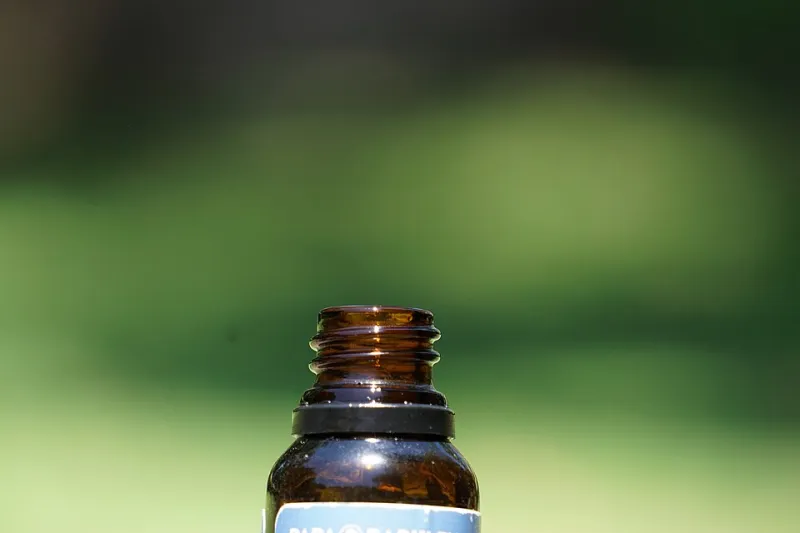
Photo: elsaolofsson, CC BY 2.0, via Wikimedia Commons
You did your research. You found a quality hemp CBD oil, checked the third-party lab reports, and made the investment. But here's a question most people never think to ask: are you storing it correctly?
Because here's the thing — even the purest, highest-quality hemp oil can lose its effectiveness if it's not stored properly. Cannabinoids like CBD are sensitive compounds. Light, heat, and air exposure can all degrade them over time, turning a premium product into something far less useful. The good news? Proper storage is genuinely simple once you know what to watch for.
Let's break it all down.
What Actually Happens When CBD Oil Degrades
CBD and other cannabinoids are organic compounds, which means they're subject to the same natural breakdown processes that affect other plant-based oils. Oxidation — the chemical reaction that happens when compounds are exposed to oxygen — is one of the biggest culprits. Over time, it can break down cannabinoids and terpenes, the aromatic compounds that contribute to hemp oil's overall effect profile.
UV light accelerates this process significantly. So does heat. When cannabinoids degrade, the oil doesn't necessarily smell rotten or look different right away, but its potency quietly diminishes. You might find yourself taking the same dose and getting less out of it — and never connecting the dots back to how the bottle was stored.
Chlorophyll and other plant compounds in full-spectrum hemp oils are also vulnerable to light-induced breakdown. That's why most reputable hemp CBD oil products — including everything in the Hemp CBD Oil Plus lineup — come in amber or dark-tinted glass bottles. That tint isn't aesthetic; it's functional.
The Three Enemies of Hemp Oil Freshness
Heat — Consistent warmth is one of the fastest ways to degrade your hemp oil. The ideal storage temperature for CBD products is generally between 60°F and 70°F. That rules out the spot next to your stove, on top of the fridge (which radiates heat), or in a car glove compartment during a Texas summer. A cool, interior cabinet or pantry shelf works great.
Light — Direct sunlight and even bright indoor lighting can trigger photodegradation, breaking down the compounds that make your hemp oil effective. Even if your bottle is dark-tinted, it's worth keeping it somewhere dim when not in use.
Air — Every time you open your bottle, a small amount of oxygen enters. Over many uses, this cumulative exposure adds up. Always replace the cap tightly after each use, and avoid transferring oil to containers that aren't airtight.
Common Storage Mistakes (and Easy Fixes)
Keeping it on the bathroom counter. Bathrooms experience significant temperature and humidity swings — steam from showers, cold drafts, fluctuating heat. It feels convenient, but it's one of the worst spots for any supplement, CBD included. Move it to a bedroom drawer or a cool kitchen cabinet instead.
Storing it in plastic containers. Some plastics can interact with oil-based products over time, and they're generally more permeable to air and light than glass. Stick with the original dark glass bottle your oil came in, or transfer to a quality amber glass container if needed.
Leaving a dropper tip wet. After each use, wipe the dropper clean before replacing it. Residual oil on the tip can introduce bacteria into the bottle over repeated use.
Refrigerating without expecting cloudiness. The fridge is actually a perfectly good place to store hemp CBD oil — it slows oxidation and keeps temperatures consistent. But many oils will become thick or slightly cloudy when chilled. That's completely normal. Just let the bottle sit at room temperature for a few minutes before using, and give it a gentle shake.
So, What's the Actual Shelf Life?
Most quality hemp CBD oils have a shelf life of 12 to 24 months from the production date, assuming proper storage. You'll usually find this indicated as a "best by" date on the label or packaging. That date is based on ideal conditions — so if your oil has been living in a sunny windowsill, the clock may have run faster than the label suggests.
Expiration dates don't mean the oil becomes harmful after that point, but potency and flavor will have noticeably declined. If your oil has developed a noticeably rancid, bitter, or "off" smell — different from the natural earthy or grassy scent of hemp — it's probably time to replace it.
At Hemp CBD Oil Plus, all our products are clearly labeled with production and best-by dates, and our lab reports are batch-specific so you always know exactly what you're getting.
Quick-Reference Storage Checklist
- ✅ Store in a cool, dark location (60–70°F is ideal)
- ✅ Keep in the original dark glass bottle or a quality amber glass container
- ✅ Always seal the cap tightly after each use
- ✅ Wipe the dropper clean before replacing it
- ✅ Refrigeration is fine — expect temporary cloudiness
- ❌ Avoid sunlit windowsills, countertops near appliances, or hot cars
- ❌ Don't transfer to plastic containers
- ❌ Don't leave the bottle open while measuring doses
The Bottom Line
Quality hemp oil is worth protecting. A little mindfulness about where and how you store your CBD goes a long way toward making sure you're getting the full value of every bottle. Think of it like a good olive oil — you wouldn't leave it baking in direct sunlight and expect it to taste the same after six months.
If you ever have questions about a specific product's storage recommendations or shelf life, our team at Hemp CBD Oil Plus is always happy to help. Pure hemp, real wellness — and that includes making sure your product stays in peak condition from the first drop to the last.