Full-Spectrum vs. Isolate: The Science Behind Why Your Hemp Oil's Ingredients List Actually Matters
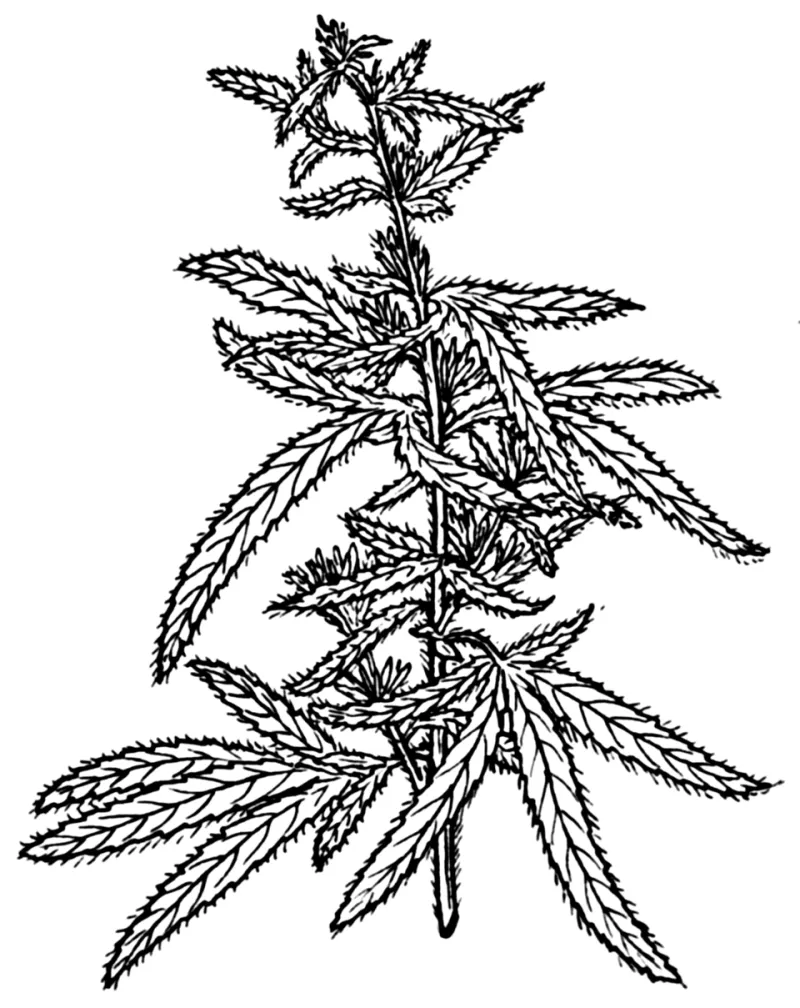
Photo: Pearson Scott Foresman, Public domain, via Wikimedia Commons
Walk into any health store in the US right now and you'll find shelves stacked with CBD products — tinctures, softgels, gummies, you name it. They all claim to support wellness. But here's the thing most brands won't tell you upfront: what's inside the bottle matters enormously. Specifically, whether you're getting a full-spectrum hemp oil, a broad-spectrum formula, or a plain CBD isolate can determine whether you're getting real results or just expensive sugar water.
The concept at the center of this conversation is called the entourage effect — and once you understand it, you'll never look at a CBD label the same way again.
What Is the Entourage Effect, Exactly?
The term was first introduced by Israeli researchers Raphael Mechoulam and Shimon Ben-Shabat back in 1998. Their work suggested that the compounds found naturally in the cannabis plant don't just work independently — they interact with each other in ways that amplify and refine each other's effects.
Think of it like a great band. A guitarist alone can sound amazing. But add a bassist, drummer, and vocalist, and suddenly you've got something that hits completely differently. That's the entourage effect in a nutshell: the whole plant is greater than the sum of its parts.
In the hemp plant specifically, this "band" includes:
- Cannabinoids — CBD is the headliner, but hemp also contains CBG, CBN, CBC, and trace amounts of THC (within the federally legal 0.3% limit)
- Terpenes — aromatic compounds like myrcene, linalool, and beta-caryophyllene that have their own wellness properties
- Flavonoids — plant pigments with antioxidant characteristics
- Fatty acids — including omega-3s and omega-6s that support overall cellular health
When these compounds stay together in a full-spectrum extract, research suggests they create a synergy that isolated CBD simply can't replicate.
Breaking Down the Three Main Product Types
Before you can make a smart buying decision, it helps to know what you're actually comparing.
Full-Spectrum Hemp Oil
This is the least processed form of hemp extract. It retains the full range of cannabinoids, terpenes, and plant compounds found naturally in the hemp plant — including that trace amount of THC. Because nothing has been stripped away, the entourage effect is theoretically at its strongest here.
A 2019 study published in Frontiers in Plant Science found that full-spectrum CBD extracts required lower doses to achieve measurable effects compared to purified CBD, and that the therapeutic window was wider. Translation: you may get more benefit with less product.
Broad-Spectrum Hemp Oil
Broad-spectrum sits in the middle ground. It preserves most of the hemp plant's natural compounds but goes through an additional refinement step to remove THC entirely. This makes it a solid option for people who are subject to drug testing at work or who simply prefer to avoid THC for personal reasons — while still capturing much of the synergistic benefit.
CBD Isolate
Isolate is exactly what it sounds like: pure CBD, separated from everything else. It's typically 99%+ CBD with no other cannabinoids, terpenes, or plant material. While isolate has its place — it's flavorless, easy to dose precisely, and completely THC-free — it misses out on the collaborative chemistry that makes full-spectrum products so compelling.
A landmark 2015 study from the Lautenberg Center for General Tumor Immunology in Jerusalem directly compared full-spectrum extract to CBD isolate and found that the isolate showed a "bell-shaped dose-response" — meaning its effectiveness actually decreased at higher doses. The full-spectrum extract didn't have this limitation. That's a pretty significant finding for anyone trying to dial in their wellness routine.
Why Terpenes Deserve More Credit
Most people focus entirely on CBD percentages when shopping, but terpenes are quietly doing a lot of heavy lifting. These aromatic molecules give hemp its distinctive smell, but they also interact with the body's endocannabinoid system in meaningful ways.
For example:
- Linalool (also found in lavender) has been studied for its calming properties
- Beta-caryophyllene actually binds directly to CB2 receptors in the immune system, making it technically a dietary cannabinoid
- Myrcene may enhance the permeability of cell membranes, potentially helping cannabinoids absorb more efficiently
When you choose a CBD isolate or a heavily refined product, you're leaving all of this on the table.
Quality Is the Variable Nobody Talks About Enough
Here's where things get practical. Even if you've decided full-spectrum is the right choice for you, the quality of the source hemp and the extraction method matter just as much as the formula type.
High-quality full-spectrum hemp oil should come from:
- Organically grown US hemp — Hemp is a bioaccumulator, meaning it absorbs whatever is in the soil. Pesticides, heavy metals, and synthetic fertilizers can end up concentrated in your extract if the source plant isn't clean.
- CO2 or ethanol extraction — These methods preserve the full cannabinoid and terpene profile without introducing harmful solvents.
- Third-party lab testing — A reputable brand will always provide a Certificate of Analysis (COA) from an independent lab, confirming cannabinoid content and the absence of contaminants.
At Hemp CBD Oil Plus, every product is built around premium, domestically grown hemp and tested rigorously before it ever reaches your door. That's not marketing talk — it's the baseline standard for anything that earns the label "wellness product."
So Which Should You Choose?
Honestly, it depends on your situation:
- Go full-spectrum if you want the most complete hemp experience and aren't concerned about trace THC
- Choose broad-spectrum if you need to stay THC-free but still want plant synergy
- Consider isolate if you need precise, unflavored CBD for a specific purpose or have strict testing requirements
For most people pursuing everyday wellness — better recovery, sharper focus, more balanced energy — full-spectrum hemp oil is going to be the smarter long-term investment. The science backs it up, and the real-world results speak for themselves.
The bottom line? Don't just buy CBD. Buy the right kind of CBD. Your endocannabinoid system will thank you.