Same Brand, Different Batch: Why Your Hemp Oil Isn't Always the Same Product Twice
You found your product. The one that worked. You reordered without a second thought — same brand, same milligram count, same everything on the label. And then a week into the new bottle, something feels off. Maybe it's less effective. Maybe the taste shifted. Maybe you're just not getting the same results you were banking on.
Here's the thing: you're probably not imagining it.
Batch-to-batch inconsistency in hemp CBD oil is one of the most quietly frustrating problems in the wellness space — and it doesn't get nearly enough airtime. Most people assume that if the label says 1000mg full-spectrum hemp extract, they're getting 1000mg every single time. But the reality of how hemp is grown, processed, and tested means that assumption can cost you both money and results.
Let's break down exactly what's going on.
Why Hemp Oil Isn't Like Manufacturing a Vitamin Pill
CBD products aren't produced in a sterile pharmaceutical lab with perfectly calibrated inputs. Hemp is a plant — and plants are stubborn, unpredictable, and deeply sensitive to their environment. Soil composition, rainfall, temperature swings, sunlight hours, and even the microbiome of a given field can all influence the cannabinoid profile of a harvest.
A farm in Colorado might grow the same strain two seasons in a row and end up with noticeably different CBD concentrations in the raw plant material. That's not negligence — it's agriculture. But it becomes a consumer problem when brands don't have tight enough quality controls to compensate for that natural variability before the product hits the shelf.
This is especially relevant for full-spectrum products, which retain a wide range of cannabinoids and terpenes beyond just CBD. Those additional compounds — the ones that many believe contribute to the entourage effect — are even more variable than CBD itself. Minor cannabinoids like CBG, CBN, and CBC can fluctuate significantly between harvests, which means the overall profile of what you're ingesting can shift meaningfully even when the CBD number on the label stays the same.
The Extraction Layer: Where Things Can Go Sideways Fast
Once hemp is harvested, it goes through an extraction process to pull out the cannabinoids and other plant compounds. The two most common commercial methods are CO2 extraction and ethanol extraction, and both can produce excellent results — when done right.
But extraction is a process with a lot of variables. Temperature, pressure, solvent ratios, and processing time all affect what ends up in the final oil. A batch rushed through extraction to meet demand, or one processed at slightly different parameters, can yield a meaningfully different cannabinoid ratio compared to the previous run — even starting from the same raw plant material.
Some brands do post-extraction blending and standardization, essentially adjusting the concentrate to hit a target profile before it gets bottled. Others don't. The ones that skip this step are more susceptible to the kind of variability that ends up confusing their customers.
The Testing Gap Nobody Talks About
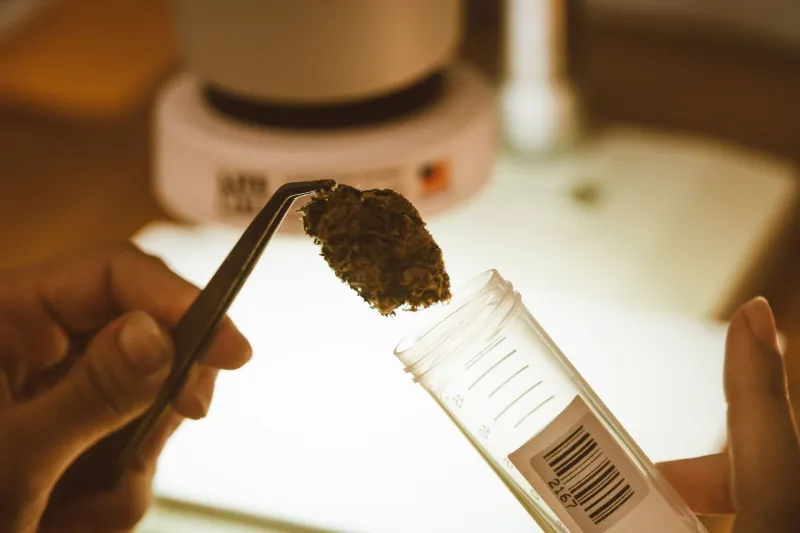
Third-party lab testing has become a baseline expectation in the hemp industry, and that's genuinely a good thing. A Certificate of Analysis (COA) tells you what's actually in the bottle — cannabinoid potency, the presence or absence of contaminants, THC levels, and more.
But here's where it gets tricky: not all COAs are created equal, and not all brands test the way you'd hope.
Some companies test a single sample from a batch and publish that result for the entire production run. If that sample happens to be from a well-mixed portion of the batch, great. If not, you might be buying something that doesn't actually reflect what the test showed. Truly rigorous brands test multiple samples across a batch — sometimes called homogeneity testing — to verify that cannabinoid distribution is consistent throughout.
Another red flag is outdated COAs. If a brand is showing you a lab report from 18 months ago, that tells you nothing about what's in the bottle you're holding today. Always check the test date.
How to Actually Protect Yourself as a Consumer
Okay, so batch variation is real. What can you actually do about it?
Match your purchase to a specific batch number. Most reputable hemp oil products include a batch or lot number on the packaging. When you find a product that works well for you, write that number down. When you reorder, ask the retailer or check the brand's website to confirm you're getting the same batch — or at minimum, request the COA for the new batch before committing.
Read the COA like a document, not a checkbox. A lot of consumers just confirm that a COA exists and move on. Instead, look at the actual cannabinoid numbers. Does the CBD content match the label claim within a reasonable margin (within 10–15% is generally acceptable)? Are minor cannabinoids listed? Is there a date? Is the testing lab accredited — ideally ISO 17025 certified? These details matter.
Ask retailers direct questions. If you're buying from a dedicated hemp wellness retailer, use that access. Ask them: Does this brand test every batch? How consistent has their potency been across recent batches? Have there been any quality complaints? A retailer who can answer those questions with specifics — or who will go find out — is a retailer worth trusting.
Consider brands that publish batch-specific COAs online. The gold standard is a brand that lets you look up the exact COA for your specific bottle using the batch number on the label. This level of transparency is a strong signal that a company takes consistency seriously.
Track your own experience. Keep a simple log — even just notes in your phone — when you start a new bottle. Note the batch number, the date, your dosage, and how you feel over the first week or two. If results shift when you switch batches, you'll have the data to connect the dots instead of just wondering what changed.
What Good Looks Like
The hemp brands that have figured out consistency tend to share a few common traits: they source from the same farms or use contract growers with documented agricultural practices, they standardize their extracts before bottling, they test every batch (not just representative samples), and they publish those results somewhere accessible.
That's not a low bar — it takes real investment. But it's the bar worth holding companies to, especially as you're spending real money on a product that's supposed to support your health and performance goals.
At Hemp CBD Oil Plus, we're pretty upfront about the fact that not all hemp oil is the same — not between brands, and sometimes not even between bottles of the same brand. Understanding why that happens puts you in a much better position to find products that actually deliver, and to hold onto that consistency once you find it.
Your wellness routine deserves more than a guessing game. And now you've got the knowledge to demand better.